
HOW TO USE ARPEGGIATORS: 5 TIPS TO INSTANTLY ENHANCE MELODY & RHYTHM
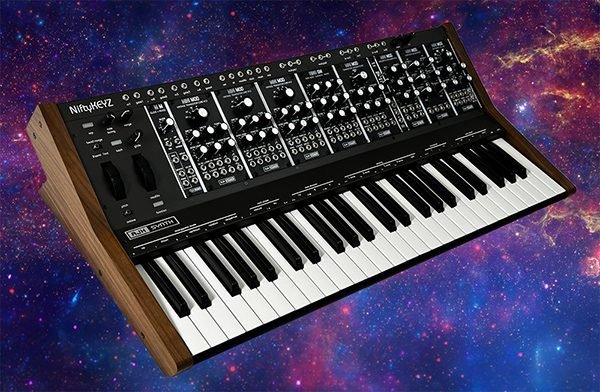
An arpeggiator is a common synthesizer feature. It’s an easy way to quickly add interest and movement to a chord progression. We’ll explore what an arpeggiator is, as well as offer some tips on using them in your own music! Introduction to Arpeggiators Have you ever heard a pulsing synthesizer part in a song that’s […]
ARPEGGIATOR 101: ARP BASICS AND HOW TO USE THEM
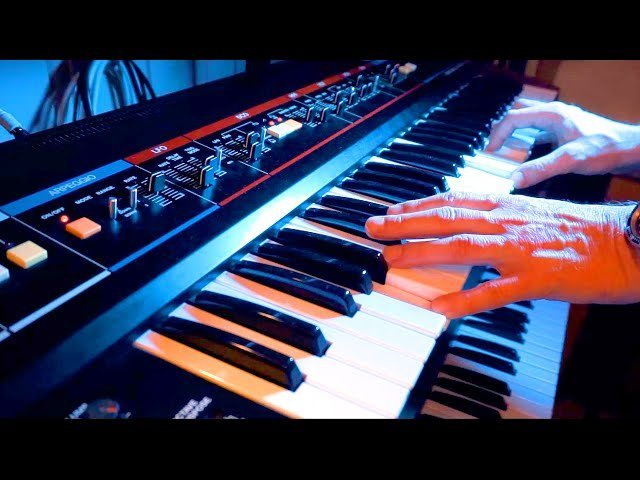
Arpeggiators are magic. But how exactly do they work? Today, we explore the history of the arpeggiator, the best DAW solutions, and much more. You know an arpeggio when you hear one. On any instrument, an arpeggio is a chord that is played one note at a time. You can hear what that sounds like […]
HOW TO WRITE A SAD SONG: 7 PROVEN TIPS
Are you ready to write a sad song? Here are some essential tips for writing sad music that will connect with your listeners. 1. Consider A Minor Chord Progression While there are no musical absolutes, you can help build the foundation of a sad song by selecting a minor key and minor chord progression. While […]
5 TIPS FOR MIXING BACKGROUND VOCALS

Here are 5 things to think about when mixing background vocals and who knows, maybe they can help improve and simplify your approach. 1. Crank the Pan Pots Background Vocals – Pan PotThe one thing that I think is easy to do as a new engineer is to try and find the perfect spot for […]
HOW TO FIX A MUDDY MIX

The term ‘muddy’ is a very common word when it comes to audio. For those of you who aren’t aware of the term or perhaps don’t fully understand it, a definition is as follows. Mud typically refers to the frequency range of around 200-500Hz. However, it can also refer to a mix that sounds bloated, […]
TRACKS THAT PAN OUT

An ocean of motion. Panning, the placement of a sound source in the left/right sound field, was an audio effect that first appeared in the 1960s when two-channel stereo made its debut, supplanting single-channel mono. In those days of analog recording, the engineer (often with help from assistants and sometimes even the artists themselves) would […]
MUSICAL KEY CHARACTERISTICS & EMOTIONS

Musical key characteristics are something that are never talked about for some odd reason. It’s not like professional songwriters choose a random key and slap some random chord changes in there and magically end up with the perfect feeling that matches the lyrics. It’s not some hidden secret. I can almost guarantee you most songwriters […]
MIX TRANSLATION – A FEW TIPS FROM JST

As audio professionals, it’s important that we keep our work sounding great not just in our own rooms, but in all the rooms and spaces your mix might be heard. This challenge is no small task – radio and streaming can happen on tons of different devices, meaning you’ve got to account for a boombox […]
MIXING LOW END: 10 PRO TIPS
Nothing says “amateur mix” quite like lousy low end. In many ways, a mix without a decent low-end can be difficult to listen to. Think about how much information low frequencies give you. They can give you hints about genre and style, and add emotion and depth as the foundation upon which the melody and […]
REVERB: COMPONENTS AND CONSIDERATIONS
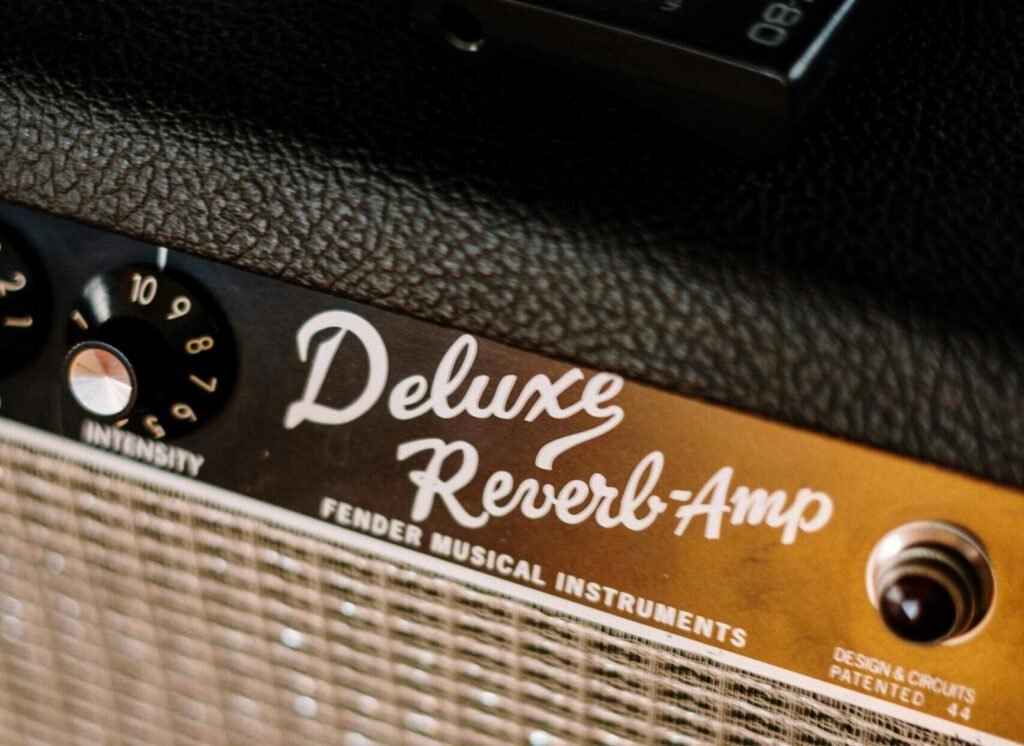
Each reverb is built from distinguishable components: the direct signal, first reflection, early reflections and the reverb tail. These all carry different information that we then perceive. We want to show you why reverb isn’t just a pretty effect but rather, it is something crucial to our perception. As well, we will explain what you […]